
Blog Details
As a breast implant is inserted, the body creates a protective barrier or layer of scar tissue around it. It is referred to as a capsule. At times, the capsule contracts in an abnormal manner, leading to pain, hardness, and distortion of shape. It is referred to as capsular contraction and can happen in one or both breasts.
A painless solution is now at hand. Ultrasound therapy for capsular contraction employs sound waves to relax hardened tissue, minimize pain, and restore normal breast contours—without surgery. This guide describes how it works, what to anticipate, and whether it’s for you.
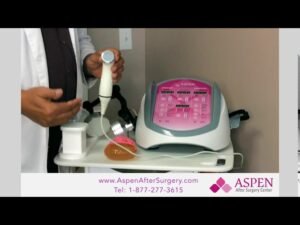
What is Ultrasound Treatment for Capsular Contraction?
Ultrasound treatment for capsular contraction is a non-surgical, scar-free treatment experience where sound waves loosen the hardened scar tissue that surrounds breast implants. This treatment process relieves discomfort and softens the implants.
The treatment is safe, gentle, and perfect for those wanting to avoid revision surgery or sedation. This is a treatment option that provides relief, with no downtime or surgical risk.
Signs for Ultrasound Treatment for Capsular Contracture
Identifying signs of capsular contracture early can help reduce either severe symptoms or prevent potential surgery. If you experience any of the symptoms listed below after breast implant surgery, you may want to pursue a consultation on whether ultrasound treatment would be appropriate:
- Increased firmness/hardness of the breast
- Persistent pain/tenderness
- Changes in breast shape or size
- Asymmetry or displacement of implants
- Pain during movement or pressure on the breast area
How Ultrasound Therapy Works?
Ultrasound therapy for capsular contracture applies high-frequency sound waves deep into the involved tissue. These waves cause circulation to be stimulated, inflammation to be reduced, and fibrous scar tissue to be broken down over time.
Treatments are generally:
- 15–30 minutes in duration
- Non-surgical
- No anesthesia needed
Patients frequently start noticing improvement after several sessions.
Advantages of Pain-Free Ultrasound Therapy
Ultrasound treatment for capsular contracture represents a non-surgical, painless alternative to surgery that allows for quicker recovery, decreased risk, more comfort, and decreased risk of postoperative scar tissue for patients with capsular contracture.
- No needles, cutting, or scarring
- Quick recovery with no downtime
- Tangible improvement in firmness and shape
- Less costly than surgery
- Safe for the majority of patients with mild to moderate symptoms
Comparing Ultrasound Therapy to Other Options
When examining Ultrasound treatment for capsular contracture, it’s important to consider how the ultrasound treatment compares to other common treatments. Each treatment varies in terms of invasiveness, efficacy, and recovery time.
| Treatment Method | Main Benefit |
| Ultrasound Therapy | Non-surgical and pain-free |
| Manual Massage | Inconsistent results |
| Revision Surgery | Surgical, longer recovery |
| Medication | Limited success, off-label use |
| Laser Therapy | Experimental, less widely available |
Ideal Patients for Ultrasound Therapy
Ultrasound therapy is most appropriate for patients with:
- Early capsular contraction signs
- Moderate tightness without extreme deformity
- No implant rupture or infection
- Desire to avoid surgery
Some patients with calcified capsules or advanced contracture will still need revision surgery.
Expectations for Your Ultrasound Treatment
Each Ultrasound treatment for capsular contracture session will involve a warm device, which resembles a handheld ultrasound machine, that is placed on your chest area. A trained technician will gently move the handheld device in an opening and closing motion to treat the affected breast area.
Most patients report that the treatment is very soothing and feels similar to a light massage. The procedure is non-surgical, and you should not feel pain during treatment. There is no downtime involved with ultrasound treatment. Therefore, after your session, you will be able to return to your normal daily activities.
Is Ultrasound Therapy for Capsular Contracture a Safe Treatment?
Ultrasound therapy for capsular contracture is considered safe and well-tolerated when performed by an experienced practitioner. Some patients may experience temporary redness or warmth in the treated area; this usually resolves quickly.
Because the treatment is not a surgical procedure, the risks associated with anesthesia and surgical complications are lessened. Ultrasound therapy offers an effective, low-risk treatment for capsular contracture without an invasive procedure.
Possible Complications and Limitations of Ultrasound Treatment
For most people, ultrasound treatment is safe, but it will not treat every case. Usually, severe or calcified capsular contracture requires surgery. A little redness or mild soreness can occur after the treatment for some patients, and these limitations help to manage expectations before beginning treatment.
- May be ineffective for severe cases
- There may be mild redness or soreness
- Additional assessment by a professional is needed
Final Thoughts
Capsular contraction is a painful and frustrating side effect of breast implants. Fortunately, pain-free ultrasound treatment for capsular contraction presents a safe, effective, and surgery-free solution. This soothing therapy resumes comfort, enhances appearance, and improves quality of life—without the need for cutting or downtime.
If you’re experiencing tightness, pain, or a breast shape change, don’t delay. Addressing it promptly leads to a more favorable result. Ultrasound therapy for capsular contracture may be the easy, non-surgical option you’ve been looking for.
FAQs
- What is the cause of capsular contraction?
Ans. Capsular contraction results from the body’s natural healing response going into overdrive. Implants are encased in scar tissue to shield the body. In certain instances, this tissue becomes thick and hardened, leading to pain as well as distortion of the breast region.
- How effective is treatment by ultrasound?
Ans. Ultrasound therapy for capsular contraction works very well in early to moderate cases. It can relax the capsule, shape it up, and alleviate pain. It is variable, but most patients significantly improve after only a few sessions.
- Does ultrasound treatment hurt?
Ans. No. There are no painful treatments. Patients generally report that the sessions feel warm and relaxing. No needles or cuts are involved, and anesthesia is not necessary. It’s a comfortable and safe process for most people.
- How many sessions are needed?
Ans. Most practitioners suggest 4 to 8 sessions based on the contracture severity. Follow-up planning is usually recommended for long-term results. Treatments are done a few days apart and last less than 30 minutes.
- Can ultrasound substitute surgery?
Ans. For mild to moderate symptoms, yes. Ultrasound can defer or even obviate the surgery. Severe contracture with calcified or thickened tissue may still need surgical excision. A provider must evaluate each case on a case-by-case basis.
- Are the results permanent?
Ans. Results can be long-term, particularly when contracture is treated early. There’s no assured permanent solution, however. Ongoing monitoring and prompt intervention are necessary to control recurrence and keep the implant healthy.
- Is all patient use of ultrasound therapy safe?
Ans. Most patients can tolerate ultrasound therapy for capsular contracture. It is not advisable for infected patients, implant leaks, and those with severe fibrosis. Always seek an approved provider to check whether it’s right for your case.