
Blog Details
Breast augmentation surgery remains one of the most widely performed plastic surgery procedures. Breast augmentation procedures have been used to enhance the size, shape, and volume of the breasts. This helps improve a woman’s figure and eventually boost their morale and confidence level.
For an overwhelming number of patients, breast surgery has provided desired results without any post-surgical complications. However, unfortunately, complications may arise in some patients. One of the most common risks and complications that may occur following breast augmentation is breast augmentation capsular contracture.
This condition is characterized by implants that feel hard or painful and may even distort the shape of the breast. In this article, let’s understand in detail what exactly capsular contracture is, its causes, its symptoms, and available breast capsular contracture treatment options.
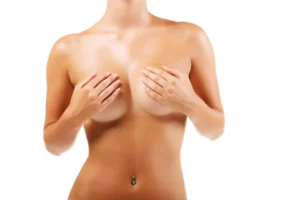
What is Breast Augmentation Capsular Contracture?
Breast augmentation capsular contracture is a condition that can occur after breast augmentation surgery. Generally, when a foreign object (such as a breast implant is placed in the body), the immune system responds by creating a protective barrier of scar tissue around the implant. This barricade is generally known as the ‘fibrous capsule’ and is a natural part of the healing process.
In most of the cases, the fibrous capsule is thin and does not cause any problems. However, in some cases, the immune response can become exaggerated, which can cause the fibrous capsule to become thick and contract around the implant.
Furthermore, this can cause the breast to feel hard, distorted, and painful. Also, in some severe cases, capsular contracture can distort the encapsulated breast implant and make it shift upward on the breast. This condition generally causes chronic pain around the breast.
The severity of the capsular contracture depends on several factors, including the type of implants used, the surgical technique used, and the patient’s healing process. In addition to this, there may be the possibility that you may experience capsular contracture shortly after breast augmentation surgery, while others may encounter it until years later.
Causes of Breast Augmentation Capsular Contracture
The formation of the fibrous tissue is the body’s natural response to any foreign object. Though the exact cause of capsular contracture is unclear, several factors have still been identified that could increase the risk of developing such severe conditions.
● Bacterial Contamination
One of the leading theories suggests that bacterial contamination during surgery might trigger the healing response, which can lead to breast augmentation capsular contracture. Even a small number of bacteria can stimulate the body to create a thicker and more constrictive scar capsule around the implant. That’s why strict sterilization techniques and antibiotic prophylaxis are crucial during breast implant surgery.
● Hematoma
A hematoma is a collection of blood inside the body tissues that can occur following any surgery, including breast augmentation. If a hematoma develops around the breast implant, it can eventually increase the risk of capsular contracture. The body’s response to this blood collection may lead to more aggressive scarring around the breast implant. However, prompt breast capsular contracture treatment can be done to reduce the unnecessary risk.
● Seroma
Similar to the hematoma, a seroma is a collection of serous fluid within the body tissues. This fluid can accumulate around the implant after the surgery. While seromas often resolve on their own after some time, their presence can accelerate inflammation and stimulate the formation of dense scar tissue, which later contributes to capsular contracture.
● Implant Type and Surface
Another thing that might also cause capsular contracture is the type of breast implant and its surface texture. Some studies show that textured implants have a lower risk of capsular contracture than smooth-surfaced implants. This might be due to the fact the textured surface interacts with the surrounding tissue, which might potentially reduce the degree of scar tissue.
● Surgical Technique:
A surgeon’s technique can significantly influence the risk of breast augmentation capsular contracture. This means that the way the surgeon handles the implant during the surgery can influence how the body reacts to it. For example, if the surgeon creates excessive trauma to the tissue during the procedure, it can trigger a stronger immune response and lead to more scar tissue formation.
Similarly, if the implant is not properly positioned or if there’s excessive tension on the capsule, it can increase the risk of contracture. A skilled and experienced surgeon can minimize these risks by using gentle techniques, proper implant placement, and meticulous attention to detail.
Symptoms of Capsular Contracture
Capsular contracture can typically develop within a few months of the initial breast implant surgery in some cases. However, capsular contracture can develop at any time, even after years of breast augmentation surgery. Due to this, patients need to recognize the symptoms so they can seek breast capsular contracture treatment in a timely manner.
Early symptoms might be subtle, but they can progress, which affects the appearance of the breasts and cause discomfort. The most common symptoms of capsular contracture are given below:
| Causes | Description |
| Hardening of the Breast | One of the most noticeable symptoms of capsular contracture is the hardening of the breast, which may not be accompanied by the pain initially. This may be happening due to tightening of the scar tissue capsule around the breast implants. |
| Pain and Discomfort | As the breast augmentation capsular contracture tightens further, it may start causing pain and discomfort, especially when a certain pressure is applied to the breast. This discomfort can range from mild to severe and may affect your daily activities and even your sleep patterns. |
| Aesthetic Changes | Capsular contracture can lead to visible changes in the shape and appearance of the breast. These visible changes might include upward displacement, distortion of the breast shape, and uneven appearance of both breast implants. |
| Breast Asymmetry | If a breast augmentation capsular contracture occurs in only one breast, or if it progresses in one breast, then it can lead to breast asymmetry. |
| Rippling or Wrinkling | As the capsule tightens around the breast implant, it can pull on the overlying skin, which can cause wrinkles or ripples. |
Conclusion
Breast augmentation capsular contracture is a common complication after breast augmentation surgery. While it’s not always completely preventable, understanding the risk factors and recognizing the symptoms can assist women in taking the necessary steps to minimize the chances of the development of such conditions. If you’re experiencing any changes in your breast shape, size, and feel after surgery, then it’s important to consult with your doctor for proper diagnosis and breast capsular contracture treatment.
Frequently Asked Questions
1. What are the first signs of breast augmentation capsular contracture?
The most common signs or symptoms of capsular contracture include:
● Breasts seem to sit high on the chest
● Rippling and wrinkling of the breast implants
● Misshapen or unnatural-looking breasts
● Breasts may feel firm and tight
● Pain or discomfort around the breasts
2. Is capsular contracture harmful?
Breast augmentation capsular contracture is not usually dangerous to the patient’s health unless her implants have ruptured. Generally, gel-based implants get ruptured easily, and the risk of rupturing increases over time. So, it is advisable to use silicone-based or saline-based implants because they are considered safe as compared to other types of implants and reduce the risk of capsular contracture.
3. Who is at high risk for capsular contracture?
While anyone who undergoes breast augmentation surgery can be at risk for capsular contracture. However, certain factors can increase the risk, such as:
● Individuals with a history of excessive scarring
● People with certain medical conditions
● Smokers
4. How soon after breast augmentation can capsular contracture occur?
Capsular contracture can develop at any time after breast implant surgery, from within a few months to several years it can take.
5. What causes capsular contracture after breast augmentation?
The causes of breast augmentation capsular contracture are still unknown, but some of the mentioned factors can increase the chances, such as:
● Hematoma
● Bacterial contamination
● Seroma
● Implant types
● Surgical techniques
6. How to avoid capsular contracture after breast augmentation?
Some of the preventive measures that you can take to avoid capsular contracture are:
● Post-operative care
● Massage therapy
● Regular check-ups
7. Can you get rid of capsular contracture without surgery?
Yes, capsular contracture can be treated without surgery. However, it depends on the factors such as stage, case, and grade of the breast problem. Using non-surgical breast capsular contracture treatment can be highly effective and helpful when patients do not prefer surgical methods.