
Blog Details
Breast Implant Capsular Contracture is a painful condition you may face after a breast implant. First, you need to get an idea of the causes and symptoms, and you will learn the impacts of treatments. Scar tissue formation in the area of breast implant is the cause of pain, and you need to consult an expert. The scar tissue around the area gets hard; thus, the implant becomes hard and painful. Nowadays, there are non-invasive treatments for capsular contracture of breast implants, restoring a normal way of life. Now, you can receive effective treatments for capsular contracture breast implants, and you will live a better way of life.
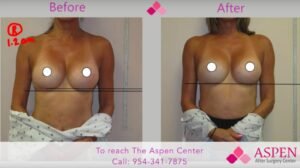
Learning About Capsular Contracture of Breast Implant
This is a systemic immune response toward a foreign material in the human body. With breast implants in place, naturally, the tissue will form protection around it through a capsule in the body; however, a condition may eventually occur where it hardens up and contracts-a condition that indeed varies in levels of severity; thus, resulting in aesthetic concerns and discomfort with the implant’s presence.
What Can Cause Capsular Contracture Breast Implants?
It is not known with precision what the causes of capsular contracture breast implants are. However, there could be several factors that could have caused its causation, such as the presence of bacteria, hematoma formation, and the action of the immune system. Also, bad techniques in surgical interventions and the bursting of implants are considered risk factors for developing capsular contracture.
Common Risk Factors
- Bacterial Contamination – Even a tiny bacterial presence could lead to an exaggerated immune response.
- Hematoma or Seroma – Fluid formation around the implant could lead to excessive scar tissue.
- Implant Surface Type – Smooth implants have a higher potential risk than textured ones.
- Surgical Technique– Poorly done operations can lead to increased inflammation and the possibility of contracture.
- Genetic Factors– Some people are more prone to forming excessive scar tissue.
Breast Implant Capsular Contracture Symptoms
For proper diagnosis and treatment, it is important to recognize the symptoms of Breast implant capsular contracture early. The condition is graded into four stages using the Baker scale:
- Grade I: The breast is normal and shows no symptoms.
- Grade II: There is mild firmness with no major aesthetic distortion.
- Grade III: There is noticeable firmness with aesthetic distortion of the breast.
- Grade IV: There is severe firmness, pain, and notable aesthetic abnormalities.
The most commonly experienced symptoms associated with growing Capsular contracture of breast implants include pain, tightness, and distortion of breast shape. Regular follow-up with your physician can be helpful in the early detection and proper management of such complications.
Diagnosis and Assessment
Capsular contracture of breast implants can usually be diagnosed through physical examination along with imaging techniques, like ultrasound or MRI. A detailed history of the patient is obtained to identify any possible risk factors. Then, the physician grades the degree of severity according to the Baker grading system, and treatment decisions are made accordingly.
Therapeutic Options for Capsular Contracture of Breast Implant
The treatment is adapted to the extent of the condition. Non-surgical treatment suffices mild cases; surgical intervention is required for more serious cases. The common treatment methods are as follows:
Non-Surgical Treatments
- Massage Therapy – Maintains looseness of scar tissue through regular massage sessions.
- Medications – Inhibitors of leukotriene, for example, have already been proven to slightly reduce contracture.
- Ultrasound Therapy – Improves the blood flow around the affected area and also softens hardened areas.
Surgical Treatments:-
- Capsulectomy – Removing the thickened capsule to ease tension.
- Capsulotomy – The process of incisions on the capsule to stretch the tissue.
- Implant Replacement – In the most extreme scenarios, the replacement of the implant helps to achieve a normal appearance.
- Fat Grafting Techniques – Some surgeons employ fat grafting to make the breast feel softer and more like the natural breast once the revision surgery is completed. It also helps improve aesthetic results by avoiding scar tissue formation.
Prevention Strategies:-
Though Capsular contracture of breast implants cannot be avoided at all times, some measures can be undertaken to minimize its occurrence:
- Selection of an Experienced Surgeon – Proper technique reduces the chances of complications.
- Antibiotic Irrigation – Prevents bacterial contamination during surgery.
- Opting for Textured Implants – Some studies indicate that these reduce contracture risks.
- Preventing Hematoma Formation – Postoperative care will prevent the heaving up of scars.
- Following Post-Surgical Guidelines – Guidelines promote natural healing when followed during aftercare.
- Use of Acellular Dermal Matrices (ADMs) – ADMs can reduce immune responses from the body to implants, hence reducing the tendency of severe contracture.
Can capsular contracture resolve spontaneously?
Mild contracture may improve over time, but severe contracture usually requires medical intervention.
Does the placement of the implant influence the risk of contracture?
Yes, implants placed beneath the muscle carry a lower risk than those placed above the muscle.
What is the recurrent rate after treatment?
The rate of recurrence varies with different techniques and patients.
Are newer implants less likely to cause contracture?
Advances in implant technology have reduced the risk of occurrence. No implant is completely impervious to the chance of contracture.
Is Capsular Contracture Dangerous?
Not life-threatening. However, when very severe, it causes pain, aesthetic concerns, and the necessity for subsequent treatment.
Comparison of Treatment Options
| Treatment Method | Effectiveness & Suitability |
| Massage Therapy | Useful in mild cases |
| Medications | May sedate progression |
| Capsulectomy | Eliminates hardened tissues |
| Capsulotomy | Helps loosening tight capsule |
| Implant Replacement | Essential in severe cases |
Capsular contracture breast implants remain one of the greatest concerns of those who opt for breast augmentation. Knowing risk factors, symptoms, and treatment options will provide much better decision-making. An experienced surgeon, followed by proper postoperative care, can really make a big difference in avoiding this condition. The best possible results will be assured by seeking immediate medical attention.
Furthermore, improvements in medical science continue to occur, and treatment methods are improved with better solutions for those affected by such conditions. Informed people and proactive awareness about breast health ensure more satisfying and safe results for those planning or undergoing the process of breast augmentation.
An additional rapidly evolving remedy involves using acellular dermal matrices in breast augmentations for contracture prevention. These biological implants decrease inflammation, resulting in lower rates of contracture. Patients who opt for ADMs may notice a lower rate of recurrence and better long-term results.
Others may include postoperative exercises that are aimed at maintaining implant mobility and preventing stiffness. Pain-free light stretching and soft tissue massages may be helpful in keeping the scar tissues from becoming too hard. All of these things make recovery easier.
For those at higher risk, surgeons may also use polyurethane-coated implants, which have been shown to reduce Capsular contracture breast implant rates. Though not commonly used, research continues to show these implants may offer a further degree of protection against the formation of excessive scar tissue. The best way to ensure a successful and safe breast augmentation experience is to discuss all options with a qualified plastic surgeon. Breast implant capsular contracture leads to several complications, so it’s time to consult an expert. Treatments for capsular contracture of breast implants restore your self-confidence, making lives easier.