
Blog Details
Contracture Breast Implants: An Ultimate Guide
Breast augmentation is a common medical procedure for enhancing the shape and size of the breast, but it, like any operation, has downsides and risks. Capsular contracture is one of the common problems that women may suffer from after breast implant surgery. It occurs when the body wraps the implant with a capsule, which then becomes harder and deformed with time.
Even though capsular contracture breast implants cannot always be avoided, knowing their causes, symptoms, and treatment plan aids patients in handling them successfully. In this blog, we will explain the key things about capsular contracture, how capsular contracture affects breast implants, and what you can do to prevent or treat capsular contracture.
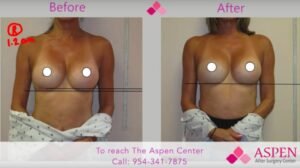
What is Capsular Contracture of Breast Implant?
The body forms a fibrous capsule around the implant, which can become tighter with time, leading to hardening, pain, and a change in breast appearance. Under extreme conditions, the implant could feel abnormally stiff or not in regular shape. It is a most common problem after breast implant surgery, known as breast implant capsular contracture.
Key Causes of Capsular Contracture of Breast Implants
Although there are several causes of capsular contracture breast implants, the most severe and significant causes are:
1. Infection
One of the most common causes of capsular contracture in breast implants is infection. When bacteria infect the implant pocket, either during surgery or later, the body forms scar tissue around the implant to encapsulate the infection, which can eventually lead to tightening of the capsule.
2. Implant Rupture or Leakage
If the breast implant leaks or ruptures, the body would recognize the silicone or saline filling as a foreign material, and an immune response is triggered. Due to this scar tissue covering the implant and it will become the cause of capsular contracture.
3. Biofilm Formation
In some cases, bacteria have been found to form a thin, protective layer known as a biofilm on the implant surface, leading to chronic inflammation. This continuous inflammation may predispose the implant to capsular contracture.
4. Implant Positioning
Breast implant capsular contracture is more likely to occur in implants positioned above the muscle (subglandular) than in implants positioned below the muscle (submuscular). Irritation and the development of scar tissue may result from the increased pressure and movement on the implant during subglandular insertion.
Symptoms of Capsular Contracture of Breast Implant
Capsular contracture breast implants can also cause a variety of apparent symptoms, ranging from moderate to severe. It is important to have an early diagnosis to prevent other complications. The following are the primary symptoms:
- Hard or Firm Feeling: The breast feels firm or hard upon touch, typically due to the capsule tightening.
- Pain or Discomfort: Persistent pain or tenderness in the breast area, especially if touched.
- Change in Shape: The breast may appear distorted, lopsided, or irregular.
- Visible Stiffness: A noticeable, firm lump or hard tissue may form around the implant.
- Restricted Movement: Decreased flexibility or mobility of the breast, typically because of the hardened capsule.
Treatment Options for Capsular Contracture Breast Implants
The severity of breast implant capsular contracture determines how it is treated. Conservative treatment may be all that is required in some conditions, but surgery may be required in others. The following are the principal treatments:
1. Massage Therapy
- Goal: This therapy helps to soften the tightened scar tissue and reduce the risk of capsular contracture.
- Effectiveness: This is generally effective in early contracture, becoming more flexible in the breast.
2. Medications
- Purpose: Oral medications or steroid injections can soften and perhaps decrease inflammation from the scar tissue.
- Effectiveness: These are generally used for mild to moderate cases to attempt to stop it from tightening further.
3. Capsulectomy (Surgical Removal of the Capsule)
- Purpose: Surgical removal of the fibrous capsule in more serious cases can end pain and restore the breast to its usual appearance.
- Effectiveness: This procedure is generally performed in addition to implant replacement for maximum benefit.
4. Implant Replacement
- Purpose: If the implant itself has been damaged, replacing it with a new implant can repair the shape and appearance of the breast.
- Effectiveness: Replacement is commonly paired with a capsulectomy for the best treatment.
5. Laser Therapy
- Purpose: Laser therapy may be able to soften the scar tissue and increase breast mobility.
- Effectiveness: Laser treatment is generally used as a secondary procedure following capsulectomy or implant replacement, followed by further softening of the capsule.
Prevention of Capsular Contracture
While capsular contracture breast implants can’t be eliminated with absolute certainty, some measures can reduce its risk.
- Using a skilled surgeon, following every post-operative command, and making use of lower-risk implants can all contribute.
- Healing properly and refraining from smoking or any other lifestyle elements that will retard healing is likewise essential.
Grades of Capsular Contracture
| Grade | Description |
| Grade I | Regular shape or smooth breast, no indication of hardening or discomfort. No treatment. |
| Grade II | Mild breast stiffness, minor distortion, and mild soreness. |
| Grade III | Moderate firmness, obvious distortion, touch tenderness. |
| Grade IV | Severe hardness, deformity, discomfort, and incorrect breast shape. |
| Treatment | Treatment by grade, with Grade II having non-surgical intervention and Grade III and IV needing surgery. |
Can Capsular Contracture Form After Surgery?
Breast implant capsular contracture most frequently does not appear right after surgery. It will typically happen after a while, usually within the first 6 to 12 months after surgery. In a few instances, though, it can happen earlier, especially if an infection or trauma to the breast occurs early after the implant is inserted.
How Early to Diagnose Capsular Contracture?
Careful self-examination of the breasts and routine follow-ups with your surgeon are needed for early diagnosis. If there is abnormal firmness, tenderness, or a change in contour, it’s important to visit your surgeon for an assessment. Early diagnosis ensures better control over the condition.
Wrapping up
Capsular contracture breast implants is the most common problem that occurs after breast implant surgery and can vary from normal to severe. Its detection and treatment in its early stages are imperative to prevent progression to the following higher grades. Information regarding causes, signs and symptoms, and treatment options can help the individual effectively manage this condition, so that the maximum benefits for the health and appearance of the breasts with implants are achieved.
FAQs on Capsular Contracture
- What are capsular contracture breast implants?
The development and shrinkage of a scar surrounding a breast implant is known as capsular contracture, and it may result in pain, discomfort, or deformity.
- What are the capsular contracture symptoms?
Symptoms are breast hardness, tenderness, asymmetry, alteration of shape, and limited mobility.
- Why does capsular contracture occur?
It can be due to infection, leakage of the implant, biofilm, trauma, smoking, or genetic factors.
- How is capsular contracture treated?
Treatment ranges from drugs and massage to surgical intervention in the form of capsulectomy or implant replacement.
- How is capsular contracture graded?
It’s graded from I (normal) to IV (severe), with the higher grades requiring more vigorous treatments like surgery.
- Is capsular contracture preventable?
Though it can’t be fully prevented, ideal surgical technique, postoperative care, and avoiding smoking can reduce the risk.
- Does capsular contracture return after treatment?
Yes, capsular contracture may occur again, especially if preventive postoperative procedures are not followed.
- At what interval after surgery does capsular contracture develop?
It may develop at any interval after surgery, but tends to do so within a few months to a year.