
Blog Details
Breast augmentation capsular contracture is a common complication that can affect both the appearance and feel of the breast implants. This condition can even lead to cosmetic dissatisfaction and discomfort. That’s why understanding such a condition is important for maintaining both your health and getting satisfactory results after breast augmentation surgery.
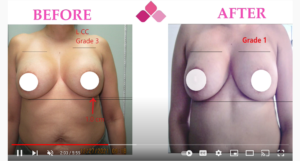
The word ‘capsular contracture’ is not just a medical term but a genuine issue that could seriously impact your breast implants. Furthermore, this condition involves hardening of the capsules that form around the breast implants naturally. Such a condition can cause aesthetic changes and severe pain. In this comprehensive blog, let’s discuss some of the potential complications that any patient can experience after breast implant surgery.
What is Breast Augmentation Capsular Contracture?
Following the breast augmentation surgery, the body’s natural response is to create a protective layer around the foreign object. Furthermore, these capsules are made up of fibrous tissues and help to keep the implants stable and correctly placed. However, in some cases, the capsule becomes hard and begins to squeeze the breast implants. This condition or complication is known as breast augmentation capsular contracture.
What are the Grades of Capsular Contracture?
Capsular contractions are classified into four grades based on the level of their severity and their impact on the shape and firmness of the breast.
| Grades of Capsular Contracture |
Explanation |
| Grade I | The breast appears normal and the capsule is flexible enough |
| Grade II | The breast appears normal but feels slightly firm |
| Grade III | The breast starts to feel abnormal and feels firm |
| Grade IV | The breast is hard, painful, and appears distorted |
What are the Possible Reasons for Breast Augmentation Capsular Contracture?
Although the exact cause of breast augmentation capsular contracture is not clear yet. However, several factors can contribute to its development. Let’s discuss a few of them in detail:
- Bacterial Contamination
Microscopic bacterial contamination during breast implant surgery can trigger an excessive inflammatory response. It can lead to thickening and contraction of the capsule around the breast. All this emphasis on the importance of sterilizing techniques and careful handling of breast implants.
1. Surgical Blunders
One of the major causes of capsular contracture is surgical errors. Common mistakes during the breast implantation surgery, such as incorrect placement of the breast implant, can lead to an increase in the risk of developing breast augmentation capsular contracture. All this highlights the necessity of choosing the right and skilled surgeon.
2. Genetic Factors
Some research suggests that genetic factors can also play a key role in developing capsular contracture. Typically, patients with a history of autoimmune diseases and allergic reactions are highly likely to get affected and get complications such as capsular contracture.
3. Implant Rupture
Another cause of capsular contracture is implant rupture. If a breast implant ruptures, there are chances of the release of silicone gel and saline solution from the breast implant. This solution or gel can irritate the surrounding tissues and incite an inflammatory reaction that can cause capsular contracture.
4. Unknown Causes
There are some chances that breast augmentation capsular contracture may arise due to an unknown cause. It is all because of the general defensive natural response of the body against unidentified actions.
What are the Signs of Capsular Contracture?
The common signs and symptoms of capsular contracture generally vary depending on the severity. In the early stages, there might be a slight firmness and change in texture. But as the days pass by, they may likely observe the following symptoms:
| Signs of Capsular Contracture | Explanation |
| Firmness and Tightening | One of the most common symptoms of breast augmentation capsular contracture is an increase in firmness in the affected breast. |
| Misshapen Appearance | Visible abnormal shape of the breast, and starts to look like a ball and distorted. |
| Pain and Discomfort | When the capsule contracts, it can exert pressure on the implant and nerves causing pain. |
| Changes in Position and Height | Breast implants can get uplifted upward and shift from the original position. |
What are the Preventive Measures for Breast Capsular Contracture Treatment?
While it’s not possible to guarantee the prevention of capsular contracture, several approaches can assist in reducing the risk. Here are some of the preventive measures given below:
1. Choosing an Experienced & Skilled Surgeon
The selection of a surgeon plays a crucial role in preventing breast capsular contracture treatment. It’s essential to choose a plastic surgeon with the best proven track record in performing surgeries. Skilled surgeons use advanced surgical techniques that help mitigate the risk of complications such as capsular contracture.
2. Following Pre and Post-operative Care
Following your surgeon’s instructions both before and after surgery is paramount. It includes taking prescribed antibiotics to avoid the chances of any infection, and regularly attending appointments to ensure proper healing and monitoring of the early signs.
3. Selection of the Right Breast Implant and Correct Placement
The type of implant and its placement can contribute to the development of capsular contracture. Many studies have shown that textured implants may have a lower incidence of breast capsular contracture treatment as compared to smooth-surfaced implants.
4. Maintaining a Healthy Lifestyle
Maintaining a healthy lifestyle and following the recommended post-operative activities can reduce capsular contracture. Keeping up with healthy habits such as regular exercise, proper diet, and avoiding smoking, can improve the healing capacity of your immune system.